Difference Between Beef Broth and Beef Bone Broth
Get Your Complimentary Bone Goop Cookbook
66 nourishing bone broth recipes for a healthier life
You don't have to have a degree from culinary school to know how essential broths and stocks are to creating delicious cuisine.
But is there a difference betwixt the broth and stock?
Is it better to use stock vs. goop in certain situations and recipes?
Is there much difference betwixt bootleg and shop-bought broth or stock?
We'll practise our all-time to untangle these terms and give yous some insight into related topics such every bit vegetable broth, bouillon substitutes, explain the benefits of each, and offering tips on how to make your own.
What is Stock?

Stock is most similar to the bone goop you have come up to know. You make stock past simmering basic in water with seasoning and vegetables. Unlike goop, lilliputian to no meat is left on the bones (marrow basic are the most commonly used, which incorporate no meat). As well, for added flavor, basic are oven-roasted before being simmered in water.
It besides takes longer to make stock. A practiced stock will simmer for four–6 hours. If you're lucky, you'll go the same gelatinous texture you look from bone broth.
Celebrity gastronomer Alton Brown defines stock every bit:
"Stock is a cooking liquid in which animate being bones and connective tissue are cooked for a long period, yielding a thick, collagen-rich liquid." He defines broth as "a cooking liquid in which animal meats are cooked for a shorter period yielding a flavorful, thinner liquid."
He's conscientious to mention that restaurants typically work with unseasoned stock, whereas home cooks oftentimes end up with a hybrid since it can be challenging to remove all meat from the basic.
What is Plain Goop?

Broth is made from meaty bones simmered in water with vegetables and seasoning. It creates a base for soups and stews, and usually stays in liquid form when cooled – it doesn't gel.
Ii notable differences gear up broth apart from stock:
First, broth typically has meat scraps mixed in with the bones. There is actual meat left on the bones (like an unabridged chicken carcass) to add flavor to your recipe.
Secondly, goop is simmered for a curt time compared to stock. Information technology simply takes two hours to simmer a tasty broth. In one case the fourth dimension is up, the meat and vegetables are strained out, leaving the flavorful liquid.
And then, stock is fabricated from bones and goop is made from meat. It seems like a simple way to tell the difference.
Goop vs Bone Broth
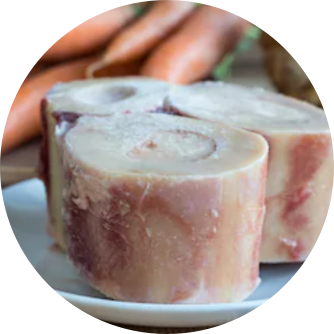
Goop from the grocery store is not bone broth.
As you may know, homemade bone broth contains amino acids and other incredible nutrients that help to support gut wellness and the immune system.
That is non what you will find labeled as "goop" on store shelves.
Os broth is simmered over a long menstruum of fourth dimension, helping to depict out the nutrients. The goal is to extract the gelatin from the bones. Gelatin is what gives the bone goop its Jell-O like texture when cooled. You know you succeeded when your cooled bone goop transforms into jiggly Jell-O in the fridge.
Go Your Gratuitous Bone Goop Cookbook
66 nourishing os broth recipes for a healthier life
Vegetable Stock vs Bone Broth

Digging a little deeper, the folks at Fine Cooking set about differentiating betwixt vegetable stock and broth. Can there be a departure if bones aren't involved? They ultimately conclude that in the example of vegetables, at that place'due south not a difference in content between stock and goop. However, when using the terms in cooking, the divergence is in function and seasoning, whether or not basic are included.
In Harold McGee'due south book, "On Food and Cooking," he defines stock as a base for more complicated recipes, such every bit sauces or more complex soups. It'south ofttimes central and unsalted for versatility. Broth refers to a liquid in which something has been boiled and tends to be salted, possibly flavored with herbs and spices. Broths are often the base for a soup such every bit chicken soup or vegetable soup.
At present that you are clear on the differences between stock, broth, and vegetable broth, let's take a look at the ingredients in every stock and broth.
Ingredients in all Broths, Stocks
Bone broth, stock, and broth all contain very similar ingredients (which explains all the confusion). If you looked at recipes for each and just focused on the ingredients, it would be challenging to note any differences.
Bone broth, broth, and stock all contain these ingredients:
- Bones: This can be from whatever animal: Chicken, pork, and beef.
- Water: A cooking liquid to simmer the bones.
- Vegetables: To add flavor to the dish.
- Seasoning: Body of water common salt and other seasonings bring out the character in the broth or stock.
The differences betwixt stock and goop do not come from the ingredients themselves, but how they are prepared.
Just what about vegetable broth?
Instant Admission to Our Costless Sipping Guide
15 succulent bone goop beverages you can make at present
What to wait for in Store-bought Broths & Stock
You may have noticed the sheer volume of options at the grocery store for stock and broth.
You have:
- Craven broths
- Beefiness broths
- Veggie broths
- Even fish broths
For near shop-bought brands, the about meaning difference between goop and stock is ingredients and sodium content. Stock is more probable to accept fewer ingredients and less salt.
There are os broth options at many grocery stores, likewise. High-quality os broths are going to be pricier because they utilize the proper slow-cooking method. The longer you cook a liquid, the more it evaporates, which means your liquid is denser with nutrients, flavor, and collagen.
Just y'all might not need this level of complexity for every recipe you make at habitation. In some cases, a simple broth will work just fine. Just don't count on a boxed stock having the same health benefits every bit bone broth.
When deciding which cooking liquid to choose, know how you plan to employ it.
Hither are a few uncomplicated guidelines:
- Need a base for a creamy sauce or gravy? Go with stock.
- Making craven soup? Go with broth.
- Looking for a nutrient-dense, flavorful liquid for sipping? Get with a good-quality bone broth.
- Trying to switch from cooking oils to more water-based cooking? Brand your selection based on how much season y'all want to impart on your veggies and the sodium content. If you wish to take a low-sodium liquid to which you can add together your flavors and seasonings, go with stock. If you want more noticeable chicken or beef flavour, go with broth.
Instant Access to Our Gratuitous Sipping Guide
15 delicious os broth beverages you tin can make now
Bouillon Substitutes

Burgoo cubes and powders are made from highly processed leftovers of dehydrated chicken, beef, or vegetable broth. They unremarkably include MSG, sugar, corn starch, vegetable powders and food coloring.
If you're not the type to eat highly processed foods and the additives mentioned higher up, choose one of these options instead of chicken cube bouillon:
Craven Burgoo Substitutes
- Craven goop - A craven broth used for cooking your meals is an fantabulous substitute for craven burgoo. These come up in different options, including ones that are low in sodium.
- White wine - yes, there are a few recipes where replacing chicken broth for white wine make sense. Usually craven recipes with wine will recommend Sauvignon Blanc or Chardonnay because of how their flavors complement that of both chicken and turkey. In fact here'southward a craven risotto with white wine recipe y'all'll dear.
- Kokosnoot milk - Some other chicken bouillon replacement you can attempt is coconut milk. This will add a creamy aromatic flavor to your meals, and will give you lot a thick savory broth. Coconut milk tin be found in many recipes worldwide, including those from Southeast Asia, Africa, Fundamental, and South America.
Beef Bouillon Substitutes
Hither's a list of beef bouillon substitutes you tin attempt in your next recipe:
- Beefiness broth - in that location is no shortage of options for beef broth. Just make sure you choose i that is both flavorful and better for you lot than ones with color or season enhancers and employ sprayed ingredients. Depending on your recipe yous might even consider to utilise this as a chicken goop substitute.
- Cherry-red vino - Red wine can make for a adept substitute for bouillon, and can add a sweet flavor to your meal depending on how much of the alcohol evaporates. A pot roast pairs nicely with total-bodies reds such every bit ruddy Bordeaux or a Cabernet Sauvignon. Beef stews go well with crimson Bordeaux, Argentinian Malbec. Leaner cuts of meat similar steaks pair well with red wine such as a Malbec, Shiraz or a Zinfandel, especially if you enjoy something sweeter.
- Worcestershire sauce - This will add another level of season to your meal but can likewise be used as a beef burgoo substitute. Just be careful not to overdo information technology or your dish can cease up being too salty.
Wrapping information technology up
There you have it, a detailed comparing of the many broth and stock options for your next recipe.
Source: https://www.kettleandfire.com/pages/broth-vs-stock
0 Response to "Difference Between Beef Broth and Beef Bone Broth"
Post a Comment